
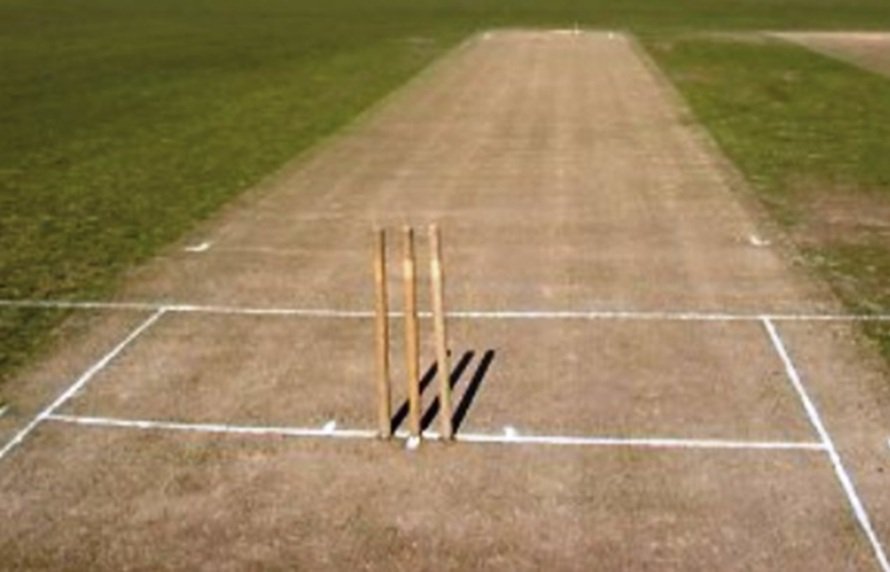

Cricket pitch period in feet is one of the most common questions asked with the aid of cricket lovers, beginners, gamers, and students gaining knowledge of the game. A widespread cricket pitch is 22 yards long, which is the same as 66 feet or approximately 20.12 metres.
The pitch is the important playing location of a cricket ground. It is wherein the bowler offers the ball, the batter faces the transport, and maximum of the movement between the 2 takes region. Although a cricket floor can range drastically in standard length, the dimensions of the pitch are standardized.
In this text, we provide an explanation for the usual cricket pitch duration in ft, its width, vital markings, crease measurements, and how the pitch is used in the course of a cricket match.
What Is the Length of a Cricket Pitch in Feet?
The popular period of a cricket pitch is 66 feet.
This size comes from the traditional cricket measurement of 22 yards.
Cricket Pitch Measurements
| Measurement | Standard Size |
|---|---|
| Pitch length | 66 feet |
| Pitch length | 22 yards |
| Pitch length | 20.12 metres |
| Pitch length | 792 inches |
| Pitch width | 10 feet |
| Pitch width | 3.05 metres |
The 66-foot size is taken between the two sets of wickets. One wicket is positioned at one stop of the pitch, while the opposite wicket is positioned at the opposite end.
Why Is a Cricket Pitch 66 Feet Long?
The cricket pitch has historically been measured as 22 yards. Since one backyard equals three ft, the calculation is:
22 yards × 3 feet = 66 toes
Therefore, the reliable gambling distance between the wickets is 66 toes.
The 22-backyard well known has been maintained at some stage in the development of current cricket. Whether in a Test, ODI, T20, domestic sport, or most organized styles of cricket, the standard pitch length remains the same.
Cricket Pitch Length in Metres
For countries and competitions that use the metric device, the cricket pitch duration is approximately 20.12 metres.
The conversion is:
22 yards × 0.9144 metres = 20.1168 metres
This is normally rounded to 20.12 metres.
So, the 3 maximum useful measurements to don’t forget are:
- 22 yards
- 66 toes
- 20.12 metres
All 3 describe the equal general pitch duration.
Cricket Pitch Width
While the length of the cricket pitch is 66 toes, the standard pitch is approximately 10 toes huge, or 3.05 metres.
The pitch is consequently a square place about:
66 feet long × 10 feet extensive
The width gives the playing surface on which the bowler can provide the ball and the batter performs photographs.
The real cricket ground surrounding the pitch may be a lot larger. The pitch itself, but, has standardized dimensions.
What Are the Wickets?
At each quit of the pitch is a fixed of three timber stumps with two bails located on pinnacle. Together, those are called the wicket.
The two wickets are located immediately opposite each other at the ends of the 66-foot pitch.
The distance between the wickets is essential as it determines the fundamental strolling distance for batters.
When a batter hits the ball and runs to the alternative end, they commonly cowl the space between the two wickets. A completed run consequently includes the batters converting ends.
What Are the Creases?
Several lines are marked round every wicket. These markings help determine where the batter and bowler should stand in the course of play.
The important creases encompass:
Bowling Crease
The bowling crease is the line running via the stumps. It facilitates the outline of the position of the wicket and bureaucracy, an important reference factor for the bowler’s delivery.
Popping Crease
The popping crease is located in front of the bowling crease. A batter ought to make their floor beyond the popping crease to avoid being run out or stumped.
The popping crease is 4 feet (1.22 metres) in front of the bowling crease.
Return Creases
Return creases run parallel to the edges of the pitch. They assist in deciding the legal position of the bowler’s feet throughout transport.
These markings are important for enforcing policies which include no-balls and run-outs.
How Far Does a Batter Run for One Run?
The distance among the two wickets is 66 feet.
When a batter hits the ball and each batters efficiently change ends, they complete one run. In practical phrases, each batter travels about the length of the pitch.
However, the real distance a batter runs may be greater than 66 ft because batters frequently run beyond the popping crease and can take curved or angled paths.
For example, at some point of a quick unmarried, each batters sprint from one crease to the other. During a or three, they time and again journey between the wickets.
Is the Pitch Length the Same in Test, ODI and T20 Cricket?
Yes. The general cricket pitch period stays 22 yards or 66 feet in the primary formats of cricket.
This consists of:
- Test cricket
- One Day Internationals
- T20 Internationals
- Domestic exceptional cricket
- Domestic List A cricket
- Most expert T20 competitions
The layout adjusts the number of overs, playing conditions, fielding regulations, and different guidelines, however it no longer normally trades the same old pitch duration.
Does the Cricket Ground Have a Standard Size?
Unlike the pitch, the general cricket floor does not have one regularly occurring constant boundary length.
The length of the gambling area can range from stadium to stadium. Boundary dimensions may depend on the venue, to have space, gambling conditions, and opposition policies.
This way two cricket stadiums can have extraordinary boundary distances while still using exactly the equal 66-foot pitch.
The standardized pitch permits gamers to compete under constant conditions even if the encircling floor differs.
Why Is Pitch Length Important?
The 66-foot pitch is crucial for several motives.
1. It Determines the Bowling Distance
The bowler can provide the ball from one end toward the batter at the alternative cease. The standardized distance enables consistency throughout matches.
2. It Determines the Running Distance
Batters need to run among the 2 wickets to attain runs. The 66-foot distance provides the simple running area.
3. It Influences Bowling Strategy
Fast bowlers, swing bowlers, seamers, and spin bowlers all use the identical pitch period, but they are able to make the most specific regions of the surface.
4. It Creates Consistent Playing Conditions
A standardized pitch length guarantees that expert cricket is played using a constant simple gambling dimension round the arena.
Cricket Pitch Length: Quick Facts
Here are some vital data to consider:
- A preferred cricket pitch is 66 ft long.
- The pitch is 22 yards long.
- Its duration is about 20.12 metres.
- The popular pitch width is 10 feet.
- There are wickets at each end.
- The distance between the wickets is 66 toes.
- The identical standard pitch length is used in Test, ODI, and T20 cricket.
- The overall cricket ground can vary in size.
- The popping crease is four ft in the front of the bowling crease.
FAQ: Cricket Pitch Length in Feet
How many feet is a cricket pitch?
A well-known cricket pitch is 66 toes long.
How many yards is a cricket pitch?
A cricket pitch is 22 yards long.
How many metres is a cricket pitch?
The well-known cricket pitch is about 20.12 metres lengthy.
What is the width of a cricket pitch?
The standard cricket pitch is about 10 feet huge, or 3.05 metres.
Is the cricket pitch the identical size for T20 and Test cricket?
Yes. The standard pitch duration is 22 yards or 66 feet in both T20 and Test cricket.
How a long way do cricket gamers run among wickets?
The wickets are 66 toes apart, although batters may run slightly farther relying on how they technique and move the creases.
Conclusion: Cricket Pitch Length in Feet
The Cricket Pitch Length in Feet is 66 feet, which is equivalent to 22 yards or approximately 20.12 metres. This is one of the fundamental standardized dimensions in cricket.
The pitch is about 10 feet extensive, with wickets positioned at opposite ends. Creases around the wickets help modify bowling, batting, and walking. While the dimensions of the encompassing cricket floor can range, the simple pitch dimensions stay standardized.
For everybody gaining knowledge of cricket, the easiest size to keep in mind is 22 yards = 66 feet. This distance forms the heart of the sport, connecting the bowler, batter, wickets, and jogging among the ends.
Also Read About:-) Australia National Cricket Team vs Oman National Cricket Team Standings